The Shared Earth Trust Charitable Incorporated Organisation (SET) employs and engages with people from a wide range of backgrounds and circumstances. This policy defines the way in which we approach our work to safeguard children and at-risk adults from abuse, neglect or harm.
For the purposes of this policy, the words child/children refer to all children and young people under the age of 18.
This policy applies to all staff, trustees, volunteers, and anyone else working on behalf of SET. The policy and procedures have been written using national and local guidance from government and other institutions. In particular it applies the statutory safeguarding guidance ‘Working Together to Safeguard People’ to meet requirements of the Social Services and Wellbeing (Wales) Act 2014.
Purpose of the policy
- To protect children[1] and at-risk adults who engage with SET. This includes the children of adults who use our services.
- To provide staff and volunteers with the overarching principles which guide our approach to protecting children and adults at risk from harm.
- SET believes that a child should be valued and never experience abuse of any kind. We have a responsibility to promote the welfare of all children and to keep them safe. We are committed to practice in a way that protects them.
- To protect staff by having a clear framework, robust procedures and transparent reporting
- Enable SET to continue working with children, young people, and adults at risk, in ways that meet the needs and aspirations of a wide range of audiences.
Policy statement
The Shared Earth Trust believes that it is always unacceptable for a child, young person or at-risk adult to experience abuse of any kind and recognises its responsibility to safeguard the welfare of all children, young people and at-risk adults taking part in its activities and events, by a commitment to practice which protects them.
In so doing, we recognise that:
- the welfare of the child/young person and adults at risk is paramount
- all children and adults at risk, regardless of age, ability, gender, racial heritage, religious belief, health status, sexual orientation or identity, have the right to equal protection from all types of harm or abuse
- working in partnership with children, young people, their parents, carers and other agencies is essential in promoting the welfare of young people and adults at risks.
The Shared Earth Trust will endeavour to safeguard children, young people and at-risk adults by:
- valuing them, listening to and respecting them
- adopting safeguarding guidelines through procedures and a code of conduct for staff and volunteers
- designing and undertaking our activities, projects and services in a way that protects people from any risk of harm that may arise from their contact with SET.
- implementing safeguarding procedures when recruiting and managing staff and volunteers, ensuring all the necessary checks are made.
- ensuring that safe, appropriate, accessible means of reporting safeguarding concerns are made available to staff, trustees, volunteers and those operating on behalf of SET
- following up on reports of safeguarding concerns promptly and according to process
- ensuring staff receive training on safeguarding at a level appropriate to their role
- developing and implementing effective data protection and social media procedures
- regularly reviewing and updating our policies and practices
Glossary of terms
We have highlighted key terms used in this Policy.
Abuse – This describes physical, sexual, psychological, emotional or financial abuse (and includes abuse taking place in any setting, whether in a private dwelling, an institution or any other place).
Adult at risk – Describes anyone over 18 years of age who is experiencing or is at risk of abuse or neglect and has needs for care and support (whether or not the authority is meeting any of those needs), and as a result of those needs is unable to protect himself or herself against the abuse or neglect or the risk of it.(S 126 of the Social Services and Well-being Act 2014)
All Appropriate Staff – Refers to all staff that either work face to face with children or at-risk adults or manage/support this work as defined by their job description
Appropriate Volunteers – Refers to all volunteers who undertake activity face to face with children or at-risk adults on behalf of SET or support this work as defined by their role description.
All Staff – Refers to everyone in paid employment/receiving remuneration for work with SET. They may or may not have contact with children and young people as part of their job description
Child – for the purposes of this policy, this refers to all persons under the age of 18. It should however be noted that for the wider purposes of health and safety, the risk category should extend to 21 (special considerations in the risk assessment process due to a lower life experience by which they can identify and mitigate risk without support).
Child at risk – This describes an individual under the age of 18 years who is experiencing or is at risk of abuse, neglect or other kinds of harm; and who has needs for care and support (whether or not the authority is meeting any of those needs).
Designated Officer for Safeguarding /Local Authority Designated Officer (LADO) – The nominated person within a local authority who is responsible for managing and monitoring safeguarding allegations in relation to paid and unpaid social care workers. Providing advice, information and guidance to employers and voluntary organisations around safeguarding allegations and concerns in relation to practitioners/volunteers.
Designated Safeguarding Person – The identified person within our organisation who is available to discuss safeguarding concerns.
Harm – means abuse or the impairment of (a) physical or mental health, or (b) physical, intellectual, emotional, social or behavioural development.
Neglect – This means a failure to meet a person’s basic physical, emotional, social or psychological needs, which is likely to result in an impairment of the person’s well-being (for example, an impairment of the person’s health).
Supervised Activity – where SET’s personnel act in loco parentis[2] for children – signed consent forms must be held for children at these activities.
Accompanied Activity – where parents/carers remain with the children, i.e. SET personnel are not acting in loco parentis. For example, school visits, family events.
Safeguarding procedure for staff and volunteers
SET endeavours to encourage vigilance and awareness of the issues surrounding the protection and safety of children, young people, and at-risk adults- within which, suspins or allegations can be made in good faith without fear of reprisal.
All SET policies should reflect this safeguarding guidance. Appropriate risk management processes will be applied to all contact with children and at-risk adults.
There will be a named person for child protection who will be responsible for dealing with any concerns about the protection or welfare of children. This person is currently Chris Lambert (Designated Safeguarding Person).
1. Ensure that all staff and volunteers are properly informed, supported, managed and trained
- All appropriate staff and volunteers will be carefully selected and vetted to try and ensure they do not pose a risk to children to include the taking up of 2 written references, clear role description and responsibilities, where interaction with children is an intended part of that role.
- All appropriate staff & volunteers will be considered for an appropriate Disclosure and Barring (DBS) check as defined by Appendix 2. DBS checks will be repeated every 5 years or for those subscribing to the update service, annual updates carried out.
- A register of DBS checks will be maintained and stored securely in the SET office.
- All staff & appropriate volunteers will receive the “Reporting Guidance for Staff & Volunteers” (Appendix 3) and “Code of Conduct” (Appendix 4) on successful appointment and upon starting employment with SET must sign the “Code of Conduct”.
- All appropriate staff will receive ‘Recognising Signs and Symptoms of Abuse’ (Appendix 5) and training from their Local Authority as relevant.
- When accepting work experience student or training placement, we will request a written references from an individual not related to the child, unless such safeguards have been established by a co-ordinator (such as a Duke of Edinburgh co-ordinator or teacher) (Appendix 8)
2. Run safe activities for children, young people and at-risk adults
- We will strive to maintain a safe environment for our activities by following the Guidance on running safe activities for Children (Appendix 6).
- All staff and volunteers involved in running an activity will have clear roles and responsibilities, this applies equally to external staff or assistants attending with school or other visiting groups.
- Risk management for activities targeting children and at-risk adults will recognise the specific needs of each group.
- Wherever possible all appropriate staff and volunteers will be made aware of issues of particular vulnerability arising from an individual’s background or abilities e.g. those facing barriers in communication or who are dependent on others for personal care. Schools and visiting groups should be encouraged to share this information in advance of visiting but we recognise that some groups feel that sharing this information breaches the Data Protection Act.
- All staff and volunteers will be suitably qualified and/or experienced to supervise and deliver the activities they undertake.
- Any third party individual or organisation involved in delivering activities as part of a SET event will have appropriate experience and where relevant hold the appropriate qualifications and/or accreditation and insurance. If they are operating with any degree of autonomy i.e. not under the close supervision of SET staff or volunteers, they should have safeguarding procedures at least equivalent to ours.
- All staff and volunteers that commission third parties/contractors to work with children should have appropriate experience and this should be recorded in writing.
3. Store children’s data and digital images appropriately
- Under GDPR SET will ensure that no personal data or digital images are kept for any under 16s unless with the express permission of the parent/legal guardian
- Staff and appropriate volunteers to be aware of the guidelines on storage, and removal of digital images (Appendix 7)
- Parents and carers to be made aware of how we use children’s data and images
Reviewed by Approved by:
Signature Signature
Date: Date:
Position: Position:
Appendix 1: Designated Safeguarding Person
SET will have a designated member of staff and a deputy to take responsibility for safeguarding children matters.
Designated Safeguarding Person: Chris Lambert
The designated safeguarding person should endeavour to attend Safeguarding Level 2 training (offered free by Local Authorities), have an Enhanced + barred List DBS check undertaken, and 2 references taken up.
Their role is to:
- Ensure the organisation’s safeguarding policy and procedures are followed.
- Ensure they know how to make contact with the relevant Local Authority department, and the police, who are responsible for dealing with child protection concerns both during and after office hours.
- Report any concerns to the relevant local authority or the police. (N.B. urgent concerns should be reported immediately by those aware of them even if the designated person is not available.)
- Act as a source of advice on all child protection matters and seek further advice and guidance from local statutory agencies as needed.
- Ensure that a written record (stored securely) is kept of any concerns about a child or adult and of any conversation or referrals to statutory agencies.
- Report as required to the trustees on any action taken, concerns recorded, or incidents. Also report when any ‘new’ situations may arise, such as undertaking a new type of work where safeguarding may need to be reviewed, and liaise immediately with the nominated safeguarding trustee about appropriate procedures should any SET member of staff or volunteer be implicated in wrongdoing.
- Maintain and regularly update their knowledge of child protection and safeguarding children through relevant training.
Appendix 2: Guidance on Disclosure and Barring Service (DBS) Checks
Before an organisation considers asking a person to make an application for a DBS check, they are legally responsible for ensuring that they are entitled to ask that person to reveal their conviction history.
The Ministry of Justice has stated that organisations should not insist that a DBS check forms part of a recruitment exercise or bid when tendering for contracts, unless the services provided meet the criteria for an eligible DBS check as defined by the exceptions, as this would breach employment law.
Please note the minimum age for DBS checks is 16 years old.
The guidelines on when a DBS check is required, and to what level, change regularly. For the latest information, please visit the government website:
DBS checks: detailed guidance
https://www.gov.uk/government/collections/dbs-checks-detailed-guidance
Appendix 3: Reporting guidance for staff and volunteers
SET believes that everyone has a responsibility to safeguard children and at-risk adults from harm. Please read this guidance carefully. All staff and volunteers are expected to follow this guidance.
If you have any queries or concerns please contact SET designated safeguarding person or nominated safeguarding trustee.
Please read: –
- The full safeguarding policy & procedure document including appendices
- This guidance
- The Code of Conduct for staff and volunteers
You must follow the advice given in the documents above. If there is anything that you do not understand or do not agree with please talk to the Designated Safeguarding Person about this.
- Please attend any training that you are invited to.
- All staff and volunteers must inform the Designated Safeguarding Person if they are:
- Charged with a criminal offence involving a child or at-risk adult, violence, breach of trust or a criminal offence relevant to their duties.
- Investigated by any authority due to concerns that you may have had involvement in causing harm to a child or at-risk adult.
- Diagnosed with any medical condition that may affect your ability to carry out your role with children safely, for example psychotic illness.
- Make sure you know what to do if a child tells you or you suspect that they are being harmed.
Key points are:
DO NOT
- Carry out your own investigation by talking to parents or carers etc.
- Put words in any child’s mouth by asking direct questions such as “Did your dad do it?”
- Feel that you must inform parents/carers if you think it may put the child at risk of further harm or cause them to be silenced.
- Ignore your worry.
DO
- Ask open-ended questions to clarify your concern e.g. “What happened to your arm?”
- Listen to the child / your gut feelings.
- Take action.
- Keep a written record of any conversations, incidents or concerns and pass this to the designated safeguarding staff for secure storage by the executive officer.
Action to take:
- If a child has a serious injury (for example involving pain and bleeding) or is in immediate danger (for example parent has arrived to collect a child and is unfit to care for them, or a child left alone at home) dial 999 and request assistance from the ambulance service and/or police. If you know or suspect the child has come to harm through the actions of another make sure that the professional staff you hand the child over to understand this and take their name and record it. It will generally be appropriate to inform the child’s parent or carers what has happened once the child is safe with an appropriate professional.
- If it seems that a child has been abused in any way including sexual abuse (but is not in immediate danger) report this immediately to the social services department at Ceredigion County Council (details below).
- If the concern is long term rather than immediate, for example a child who is often dirty, smelly or who has disruptive behaviour, you should discuss this with the designated safeguarding person, who will decide whether to make a referral.
- If you have had to make an emergency referral, tell the designated safeguarding person as soon as possible. They should follow up and take further advice if they think the action that the local authority take leaves the child in danger.
- Keep a written record of action and pass to designated safeguarding person for secure storage.
| Contact details | |
| Office hours: | Ceredigion Social Services Department Ceredigion County Council Neuadd Cyngor Ceredigion Penmorfa Aberaeron Ceredigion SA46 0PA 01545 574 000 socservs@ceredigion.gov.uk |
| Out of hours: | 0300 4563554 Worried about an Adult or – Ceredigion County Council |
Appendix 4: Code of conduct for all staff and appropriate volunteers working with children
Not all staff or volunteers will have regular contact with children, however all staff and appropriate volunteers should be aware of what is expected of them in the case of face to face work with children. They should be able to demonstrate exemplary behaviour in order to keep children and at-risk adults safe and to protect themselves from allegations of misconduct.
Remember that as a general rule, it doesn’t make sense to spend excessive amounts of time alone with children away from others, take children in a car on your own or to your home. When it is unavoidable, they should only occur with the full knowledge and consent of someone else in charge of the organisation(s) you are working with and/or the child’s parents.
Remember that someone else might misinterpret your actions, no matter how well intentioned.
- Always remember that while you are caring for other people’s children you are in a position of trust and your responsibilities to them and the organisation must be uppermost in your mind at all times.
- Do make sure you have read the Safeguarding Procedure and that you feel confident that you know how to recognise when a child or at-risk adult may be suffering harm, how to handle any disclosure and how to report any concerns.
- You must act upon concerns about a child’s welfare or the inappropriate behaviour of any adults at your activities.
- Do work as a team with your co-workers/volunteers. Agree roles and responsibilities when delivering sessions, agree what behaviour you expect and be consistent in enforcing it.
- Always aim to work in an open environment and exercise caution about being alone with a child or young person. In situations where this may be needed (for example where a young person wants to speak in private) think about ways of making this seem less secret – for example by telling another worker or volunteer what you are doing and where you are, leaving a door ajar, being in earshot of others and lastly keep a written record of the conversation, passing this to the designated safeguarding staff for secure storage.
- Physical contact should be open and initiated by the child’s needs, e.g. for a hug when upset. Always prompt children to carry out personal care (such as applying sun cream, adjusting clothing) themselves and if they cannot manage ask if they would like help.
- If you have to speak to a child/young person about their behaviour remember you are challenging ‘what they did’ not ‘who they are’.
- Do listen to children and young people and take every opportunity to raise their self-esteem.
- Treat all children and young people with respect, and provide them with an example of good conduct you wish others to follow.
- Do talk explicitly to children and young people about their right to be kept safe from harm.
- Do treat all children equally, and with respect and dignity, challenge discriminating comments and behaviour and promote positive attitudes towards differences.
- Generally you should not give children presents or personal items. The exceptions to this would be a custom such as buying children a small birthday token or leaving present or help to a family in need such as equipment to enable them to participate in an activity. Both types of gift should come from the organisation and be agreed with the named person for child protection and the child or young person’s parent. Similarly do not accept gifts yourself other than small tokens for appropriate celebrations.
- Always give enthusiastic and constructive feedback rather than negative criticism.
- Always be easily identifiable as a responsible person (corporate clothing, badge or other distinguishing item) all times during activities with children and ensure that all other staff and volunteers assisting in supervision are equally clearly identifiable.
- Always secure parental consent in writing for photographs.
- Always question any unknown adult who enters Denmark Farm who attempts to engage with the children.
You must NEVER:
- use any kind of physical punishment or chastisement such as smacking or hitting, or use physical force against a child or young person.
- engage in rough, physical or sexually provocative games, including horseplay (with the exception of structured sports activities).
- engage in any form of inappropriate touching.
- make sexually suggestive comments to or about a child (remembering that the definition extends to the age of 18), or use any racist, sexist, discriminatory or offensive language – children’s inappropriate use of language and/or behaviour should always be challenged.
- reduce a child to tears as a form of control.
- use restraint (where a child is held, moved or prevented from moving against their will) except as a last resort and then only when properly trained in the technique
- behave in a way that frightens or demeans any child or young person
- invite a young person to your home or arrange to see them outside the set activity times or off-site.
- take a young person or at-risk adults alone in a car, no matter how short the journey
- smoke, take drugs or drink alcohol in the company of/whilst responsible for children.
- use internet or web-based communication channels to send personal messages to/ befriend children / young people
- give your personal contact details / personal website details to children or young people.
- take photos of children without the written consent of parents/guardians
I, the undersigned, declare that I have read and will adhere to the above Code of Conduct in the event that I work in a face-to-face role with children on behalf of SET. I understand that failure to do so may result in disciplinary action.
Staff signature:
Name (print):
Date:
Appendix 5: Recognising the signs and symptoms of abuse
Staff who have frequent face to face contact with children should be aware of the definitions, signs and symptoms of child abuse as listed below. Staff and volunteers may be asked to complete training with regard to recognising signs and symptoms of abuse, as relevant to their roles. In these cases, this training will be recorded on your competency record and should be repeated every 3 years. The D of E document “Working Together to Safeguard Children (2010)” defines the main categories of child abuse, which is also used for the purposes of drawing up child protection plans for children at risk of harm. The categories are as follows:
Neglect
Neglect is the persistent failure to meet a child’s basic physical and/or psychological needs, likely to result in the serious impairment of the child’s health or development. Neglect may occur during pregnancy as a result of maternal substance abuse. Once a child is born, neglect may involve a parent or carer failing to:
- Provide adequate food, clothing and shelter (including exclusion from home or abandonment);
- Protect a child from physical and emotional harm or danger;
- Ensure adequate supervision (including the use of inadequate care-givers); or
- Ensure access to appropriate medical care or treatment. It may also include neglect of, or unresponsiveness to, a child’s basic emotional needs.
Physical Abuse
Physical abuse may involve hitting, shaking, throwing, poisoning, burning or scalding, drowning, suffocating, or otherwise causing physical harm to a child. Physical harm may also be caused when a parent or carer fabricates the symptoms of, or deliberately induces, illness in a child.
Sexual Abuse
Sexual abuse involves forcing or enticing a child or young person to take part in sexual activities, not necessarily involving a high level of violence, whether or not the child is aware of what is happening. The activities may involve physical contact, or non-contact activities, such as viewing explicit activities or material. Sexual abuse is not solely perpetrated by adult males. Women can also commit acts of sexual abuse, as can other children.
Emotional Abuse
Emotional abuse is the persistent emotional maltreatment of a child such as to cause severe and persistent adverse effects on the child’s emotional development. It may involve conveying to children that they are worthless or unloved, inadequate, or valued only insofar as they meet the needs of another person. It may include not giving the child opportunities to express their views, deliberately silencing them or ‘making fun’ of what they say or how they communicate. It may feature age or developmentally inappropriate expectations being imposed on children. These may include interactions that are beyond the child’s developmental capability, as well as overprotection and limitation of exploration and learning, or preventing the child participating in normal social interaction. It may involve seeing or hearing the ill-treatment of another. It may involve serious bullying (including cyber bullying), causing children frequently to feel frightened or in danger, or the exploitation or corruption of children. Some level of emotional abuse is involved in all types of maltreatment of a child, though it may occur alone.
Signs and Symptoms of Abuse
There is no clear dividing line between one type of abuse and another. The following section is divided into four areas to help categorise what may be seen or heard. Children/young people may show symptoms from one or all of the categories. This should not be used as a checklist. Staff and volunteers should be aware of anything unusual displayed by the child.
PHYSICAL SIGNS OF ABUSE
- Bruise marks consistent with either straps or slaps
- Undue fear of adults – Fear of going home to parents or carers
- Aggression towards others
- Unexplained injuries or burns – particularly if they are recurrent and especially in non mobile babies
- Any injuries not consistent with the explanation given for them
- Injuries that occur to the body in places which are not normally exposed to falls, rough games, etc
- Reluctance to change for, or participate in games or swimming
- Bruises, bites, burns, fractures etc which do not have an accidental/ satisfactory explanation
- Cuts/scratches/substance abuse
- Hitting (with the hand or implement) smacking, punching, kicking, slapping, twisting/pulling ear, hair or fingers, holding/squeezing with a tight grip, biting, and burning
- Fabricated illness
SIGNS OF NEGLECT
- Exposure to danger/lack of supervision
- Neglect – under nourishment, failure to grow, constant hunger, stealing or gorging food, untreated illnesses, inadequate care etc.
- Injuries that have not received medical attention
- Inadequate/inappropriate clothing
- Constant hunger
- Poor standards of hygiene
- Untreated illnesses
- Persistent lack of attention, warmth or praise
EMOTIONAL SIGNS OF ABUSE
NB these signs may also be indicative of certain recognised disorders such as ADHD or Autism. If uncertain, discuss your concerns with the designated safeguarding staff.
- Changes or regression in mood or behaviour, particularly where a child withdraws or becomes clinging. Also depression/ aggression, extreme anxiety
- Nervousness, frozen watchfulness
- Obsessions or phobias
- Sudden under-achievement or lack of concentration
- Inappropriate relationships with peers and/or adults
- Attention-seeking behaviour
- Persistent tiredness
- Running away/stealing/lying
- Humiliating, taunting or threatening a child whether in front of others or alone.
- Persistent lack of attention, warmth or praise.
- Shouting/yelling at a child
- Radicalisation – use of inappropriate language, possession of violent extremist literature, behavioural changes, the expression of extremist views, advocating violent actions and means, association with known extremists, seeking to recruit others.
INDICATORS OF POSSIBLE SEXUAL ABUSE
- Language and drawing inappropriate for age.
- Child with excessive preoccupation with sexual matters and detailed knowledge of adult sexual behaviour
- Regularly engages in age inappropriate sexual play
- Sexual knowledge inappropriate for their age
- Wariness on being approached
- Soreness in the genital area or unexplained rashes or marks in the genital areas
- Pain on urination
- Difficulty in walking or sitting
- Stained or bloody underclothes
- Recurrent tummy pains or headaches
- Bruises on inner thigh or buttock.
- Any allegations made by a child concerning sexual abuse
- Sexual activity through words, play or drawing
- Child who is sexually provocative or seductive with adults
- Inappropriate bed-sharing arrangements at home
- Severe sleep disturbances with fears, phobias, vivid dreams or nightmares, sometimes with overt or veiled sexual connotations
- Eating disorders – anorexia, bulimia
- Unaccounted sources of money
Telling you about being asked to ‘keep a secret’ or dropping hints or clues about abuse.
Remember- Signs and symptoms often appear in a cluster, but also many of the indicators above may be caused by other factors- if in doubt check it out.
The most important factor is a report by the child.
Appendix 6: Guidance on running safe activities when working with children.
Undertaking a risk assessment
An up-to-date site risk assessment for Denmark Farm should be maintained at all times and the immediate area being used for an activity should be assessed for any changes or specific risks associated with that activity in the days beforehand. This will allow time for action to be taken to rectify any problems and help to minimise the likelihood of unforeseen risks during the visit.
A specific risk assessment will be required for any activities involving under 18s, over 70s, and pregnant women. If children or at-risk adults are attending an event under the supervision of staff or carers of their own, clear written arrangements should be made about the division of responsibilities and the risk assessment with regard to the individuals attending should remain with the staff/carers who are responsible for them (particularly anyone attending under an NHS referral).
Consider:
- The type of visit/activity and the numbers and ages of those involved.
- The location, routes and modes of transport.
- The competence, experience and qualifications of supervisory staff.
- The ratios of supervisory staff to participants
- The group members’ age, competence, fitness and temperament and the suitability of the activity.
- The special needs (educational, medical or mobility for example) of participants.
- The quality and suitability of available equipment.
- Seasonal conditions, weather and timing
- Emergency procedures.
- How to cope when a participant becomes unable or unwilling to continue.
- Going home procedures
- The chances of encountering other people in an uncontrolled situation
- Suggested working ratios and age limits with regard to specific activities
Ideally, at least two ‘registered/recognised’ adults and, if possible, a third should be present at all activities. This is because should an accident occur you need one person to go for help, one to look after the injured person and one to supervise the rest of the group. Try to have both male and female leaders present if possible. We recognise that in some cases this may not be possible, but other action can be taken to mitigate risk: in these cases, procedures should be agreed in advance with other staff/trustees.
The adult to child ratio will vary according to the activity you are doing, the site you are using and the type of group you have. Aim at an adult to child ratio of no more than 1:10, but in higher risk situations the adult to child ratio must be higher. Below are a few examples of tasks and suggested appropriate ratios.
- Indoor workshops and non-practical events
- A ratio of 1:4 for under 5’s
- A ratio of 1:8 for 5 to 8 year olds
- Practical outdoor / conservation work:
- 5 to 8 years old a 1:3 ratio is recommended
- 8 to 14 years old a 1:6 ratio is recommended
- 14 years old and over 1:8 ratio is recommended
- Parental Consent
Written parental consent should be gathered for events where children are attending without parents (unless the event is led by a suitable third party such as a school who retain this responsibility). Children must be six years old or over in order to stay unaccompanied (but sessions for under 8s MUST NOT last for more than two hours). Consent forms should be stored securely. Where parents are attending consent is not required. Parents may occasionally choose to leave another parent in temporary supervision: this is their liability; in these events SET is not acting in loco parentis. However, if that other parent is expected to take the child home, written consent would be required.
- Length of sessions
There are many factors, not purely safeguarding, that will affect how long a session is, such as the weather, time of day, type of activity, access to facilities or the needs and requirements of your group. Sessions for children under 8 must not last more than two hours.
- Going Home Procedure
Remember you must do all that is reasonable to ensure that your group is safe and goes home with the correct adult. ‘Going home time’ can be when children are at high risk. The school or group coming should follow the following procedures and retain responsibility of all individuals under their charge.
- Record on consent forms who is collecting each child
- Use an attendance register
- Ask children to come and tell you when they are going home, so you can tick them off the list.
- Leaders stand in a prominent place to observe the going home procedure.
- Try and have someone with you to intercept questions from adults. It is very easy to become distracted and you could easily miss something.
- If parents are in attendance at the event but one later leaves their child in the care of another parent, written consent is required to confirm that the other parent is permitted to take the child home.
Appendix 7: Storing children’s data and digital images
This guidance should also be considered in relation to general rules around data protection and social media use.
Children’s Data
Under GDPR no data can be kept about any under 16 year old without express consent from the parent or legal guardian. All third parties who bring under 16 year olds to site are to be responsible for this data and should not share this with SET.
Digital Images
- Digital images with written consent can be stored, images with no written consent cannot be stored or used for any purposes.
- Written photo consent must be stored, in dated folders, or in locked drawers. Parents and carers may withdraw permission, in writing, at any time.
- Digital images must be deleted within seven working days from the capture device (phone, camera or video camera).
- Personal photographic equipment should never be used to take photos of children unless it is agreed in writing with trustees that personal equipment is routinely used for work purposes, and the rules above still apply.
Digital Images of Public Events
In most cases it is practical to gain the permission of individuals being photographed (i.e. at events using parental consent forms, booked on events or invitation only), but it is not always possible to do so for large groups at public events such as open days, family fun days and public meetings. As access to these public events in publicly accessible areas is not restricted, we consider that any person who is present at these events is considered to have given implied consent to appear in the background of any photograph or film (this is in line with the provisions of the DPA). We will however make every effort to ensure the public is aware a photographer is on site taking photos for publicity purposes.
Appendix 8: Additional guidance for young volunteers, including work experience (volunteers under the age of 18)
SET strives to offer as many opportunities as possible for people of all ages to engage with Denmark Farm and to volunteer with us. We believe access to opportunities to volunteer under the age of 18 is key both to nurturing young people’s interest into wildlife and to allowing them to benefit from the skills and knowledge of SET staff and volunteers, potentially fostering a future career.
In general, we will do all we can to support a young person wishing to volunteer with us, providing suitable opportunities are available and we can ensure their safety and welfare at all times. The following specific guidance must be adhered to:
Work experience
- Supervising staff or volunteers need to have any relevant DBS checks in place
- Supervising staff or volunteers will have received an induction in SET’s safeguarding children policy and guidance and will have read and signed the enclosed Code of Conduct.
- Reference will be requested for the young person if they have not volunteered with SET before
- A parental/guardian consent form will have been signed and received
- They will be supervised at all times by an appropriate member of staff/volunteer (determined in line with this policy and guidance), and will not be left alone or left with other staff or volunteers. The young volunteer will also be made aware of this requirement.
- SET staff to complete a personal risk assessment for the work they will be doing, remembering that young people’s lack of experience or maturity may result in a lack of awareness of certain risks (up to the age of 21)
- So far as possible, avoid working in a 1:1 environment
- Should any safeguarding concerns arise, SET standard procedures should be followed. If the work placement has been arranged by a school, the school should also be informed.
- Keep a full record of the work undertaken
Review Information
Effective Date: 28 October 2026
The policy will be reviewed regularly to ensure it remains legally compliant, operationally effective, and aligned with the organisation’s values and objectives.
Next Scheduled Review: October 2027
Policy Approval Statement
This policy has been approved by the Trustees of Shared Earth Trust and applies to all relevant staff, volunteers, trustees, contractors, participants and visitors as specified within the document.
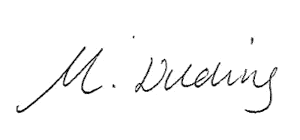
Signed:
Position:
On behalf of:
Date:
Maria Wilding
Chair of Trustees
Shared Earth Trust
28 October 2026